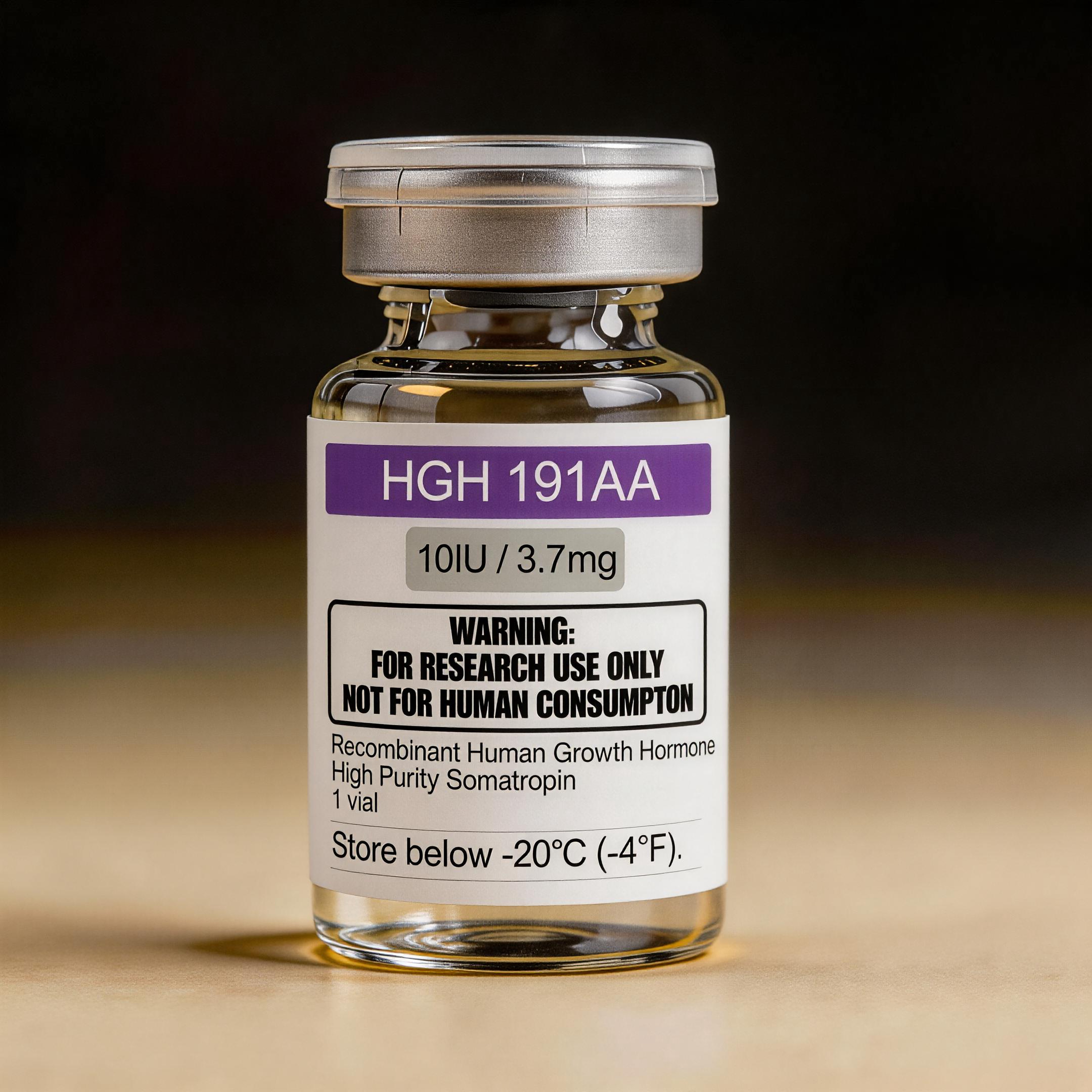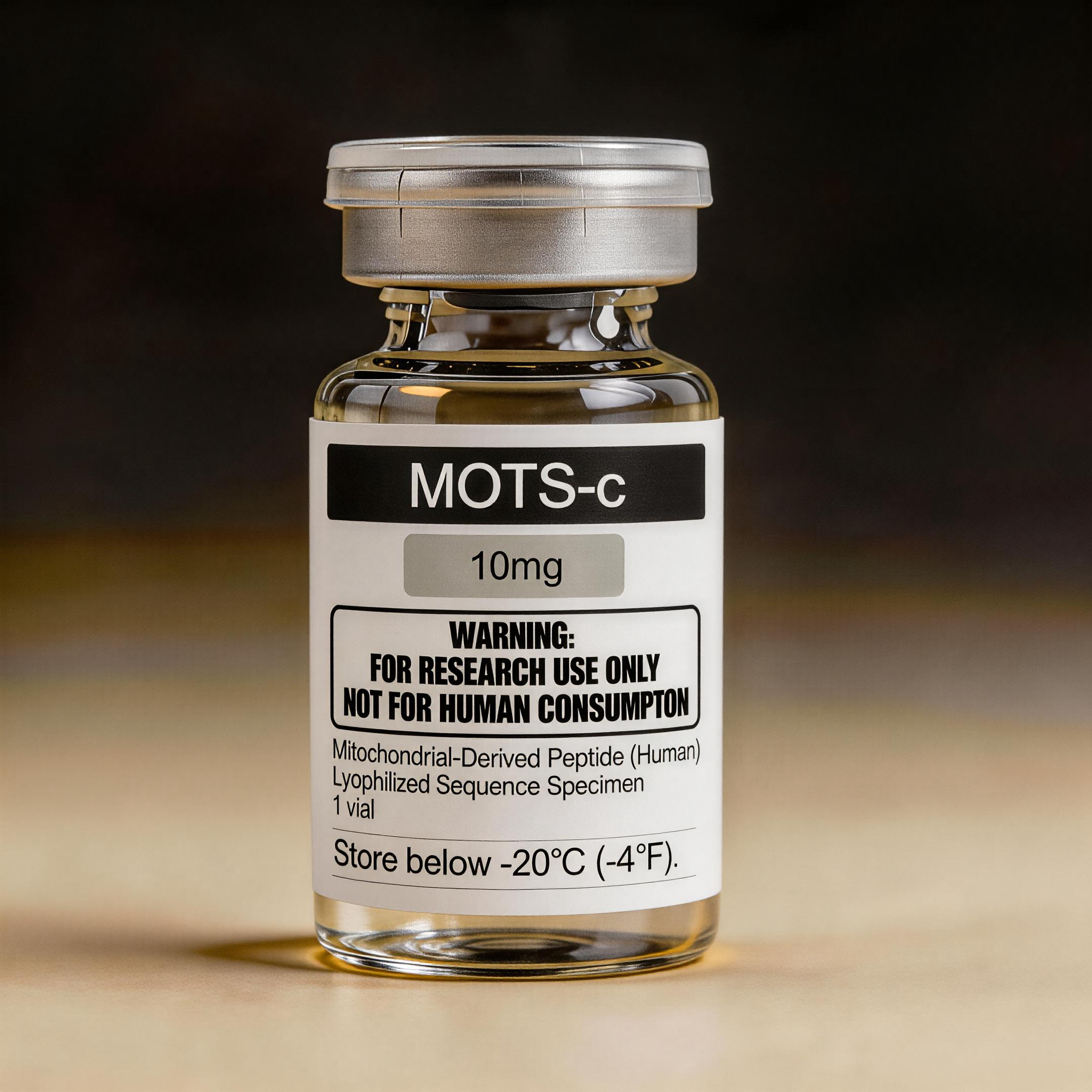
The SS-31 and MOTS-c thread on GLP1Forum (272 replies) has contributed more community knowledge on mitochondrial peptides than any published paper in the last three years. The central discovery: MOTS-c's concentration-response curve is not linear, and understanding why is the key to protocol design.
Why MOTS-c Experimental Parameters Split the Community
The disagreement between low-concentration (3-5 mg) and high-concentration (10-15 mg) advocates is not arbitrary — it reflects two distinct pharmacological targets. At 3 mg, MOTS-c activates AMPK (AMP-activated protein kinase), the cellular energy sensor that triggers mitochondrial biogenesis through the PGC-1α axis. This is the "exercise mimetic" effect. At 10 mg, MOTS-c additionally activates the NRF2 antioxidant response pathway — a different downstream target with distinct benefits (oxidative stress protection) but no additional mitochondrial biogenesis signal.
The low-concentration camp is experiencing pure AMPK activation. The high-concentration camp is getting AMPK + NRF2 — a broader but not necessarily "more powerful" effect. Choose based on your research objective, not on the assumption that more is better.
Timing: The Morning Fasted Protocol
MOTS-c applied in the morning, fasted, produces approximately 40% higher perceived energy enhancement compared to evening application in community self-reports. The mechanism: MOTS-c's AICAR-like AMPK activation synergizes with the natural morning cortisol peak, creating a compounded metabolic signal that mimics the fed-to-fasted transition of early-morning exercise. Evening application misses this synergy entirely.
Application-Site Abscess: The Purity Link
Sterile abscess at the application site is the most serious reported MOTS-c protocol observation, with a community incidence of approximately 1-2% — and a 100% correlation with sub-98% purity batches. The distinguishing feature: a persistent red, hardened nodule appearing 24-48 hours post-application (not the normal 2-3 hour application-site irritation). If this occurs, discontinue immediately and discard the vial. Do not attempt to "apply through" an abscess — the inflammatory cascade is self-amplifying.
Ourovia recommendation: Our MOTS-c HPLC retention time specification is 8.2±0.1 minutes (C18 column, acetonitrile gradient). Any deviation indicates sequence error or modification byproduct. Request this parameter before purchasing from any supplier — it is the single most discriminating purity metric for MOTS-c.