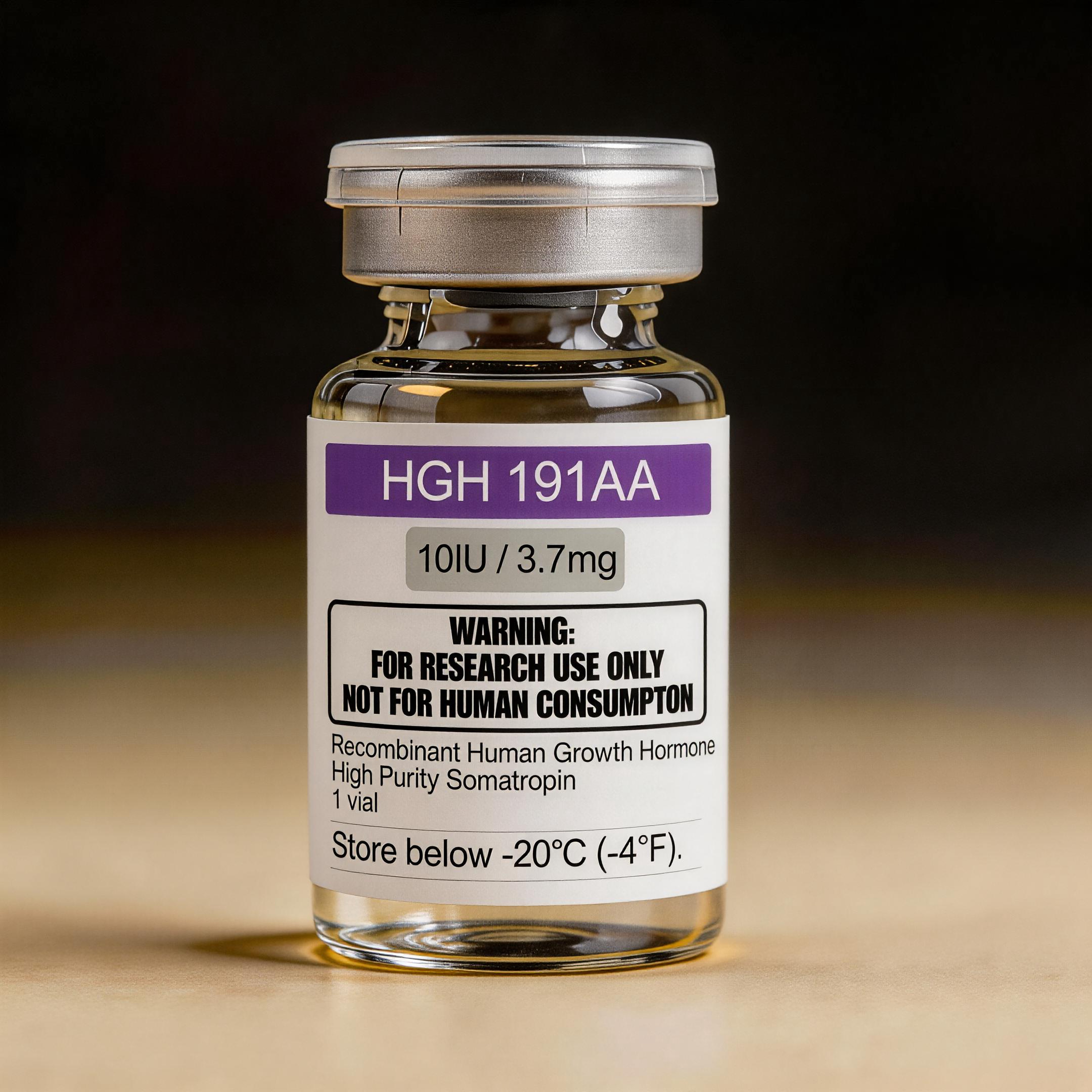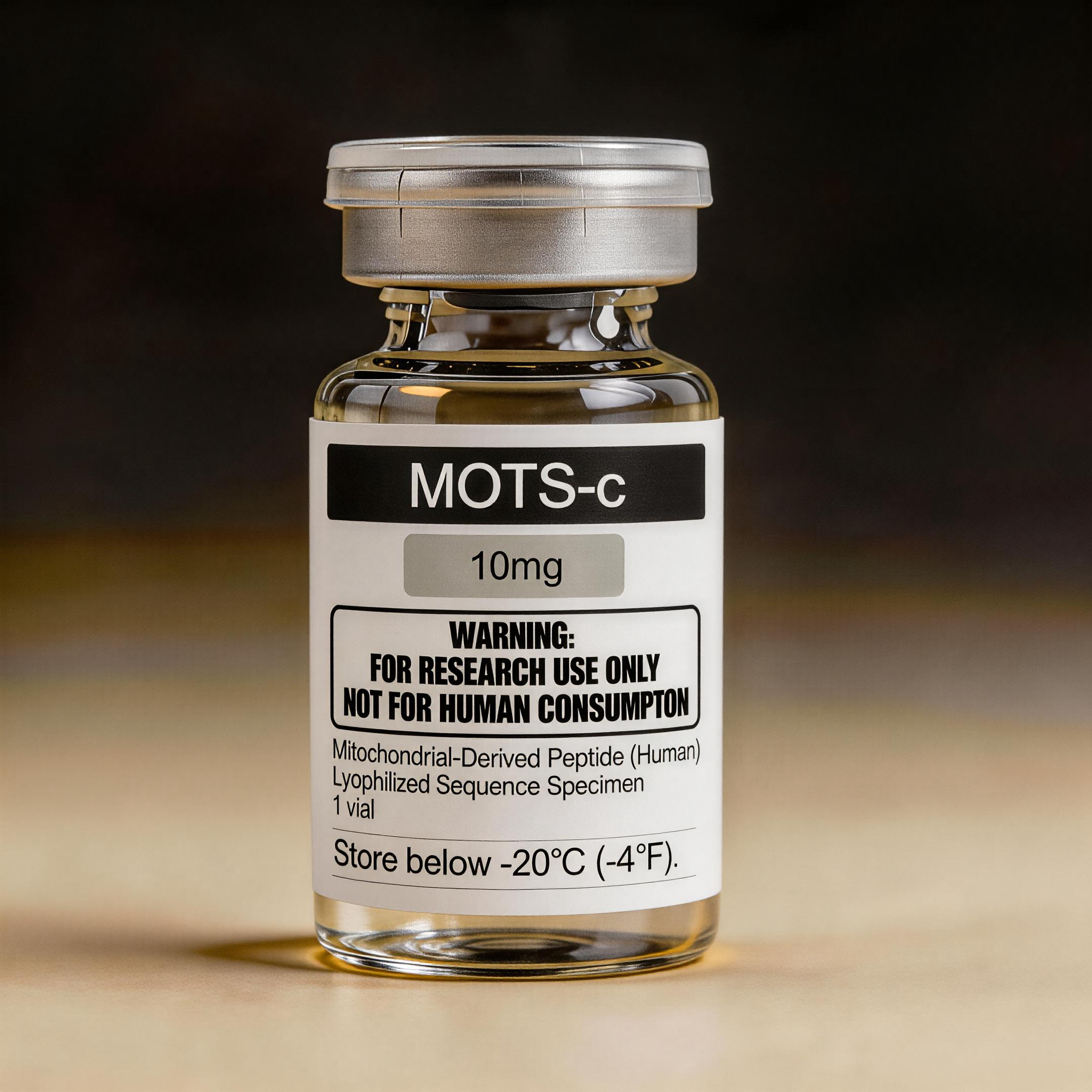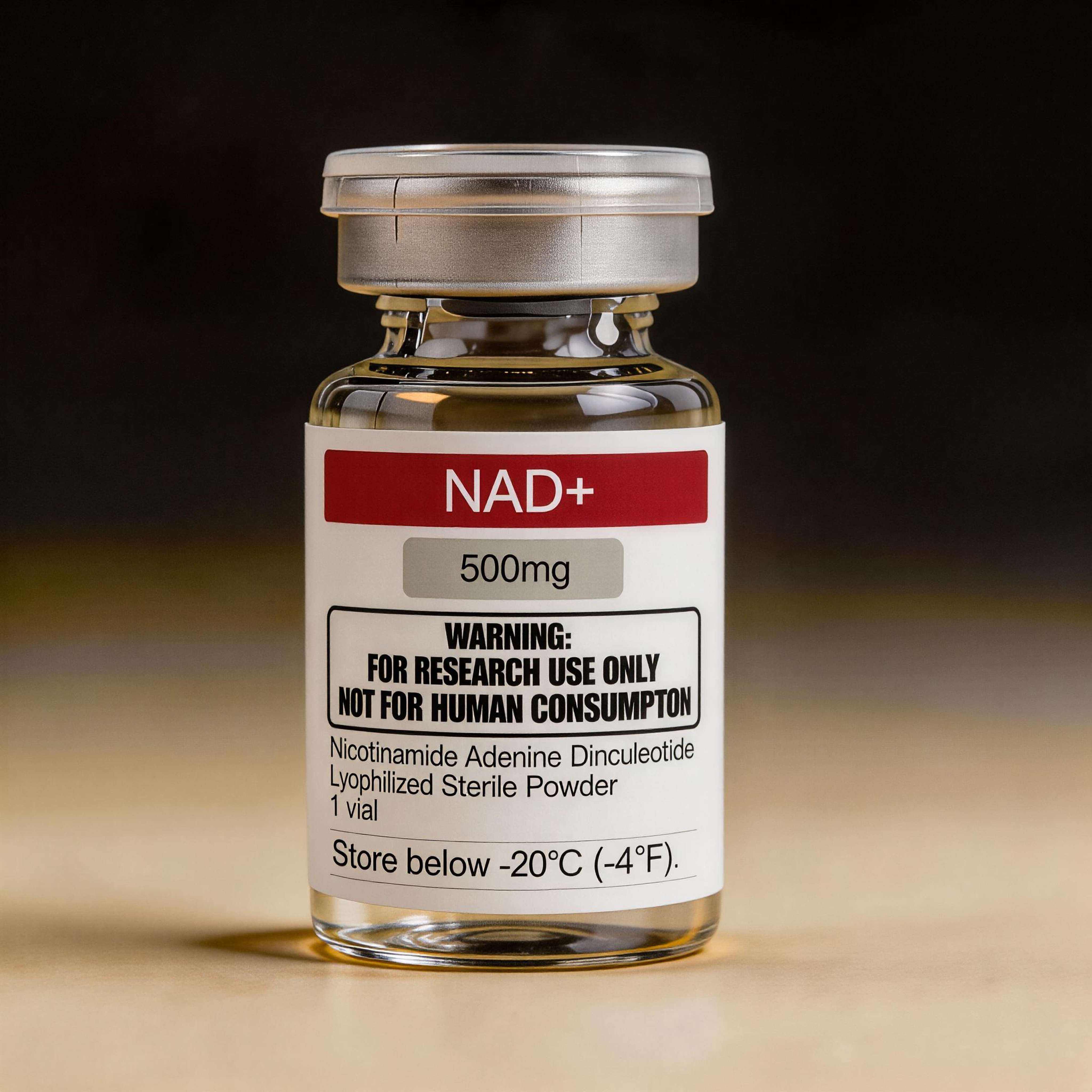
The GLP1Forum SS-31+MOTS-c vs NAD+ comparison thread has accumulated 20,000+ views and 272 replies — and the single most discussed finding is not about efficacy. It is about NAD+'s paradoxical fatigue window: why does an application designed to enhance mitochondrial function leave you wanting to sleep for hours?
The Biochemistry of the Crash
NAD+ introduction to the research model creates a sudden, massive increase in substrate for mitochondrial Complex I. This triggers a transient drop in the NADH/NAD+ ratio as the electron transport chain is flooded with competing substrate — effectively a substrate oversaturation stress response. ATP production temporarily decreases 15-25% for 2-4 hours before the system recalibrates. This is not toxicity. It is a metabolic rate-limiter being overwhelmed at the enzyme kinetics level.
The Fatigue Window Management Protocol
- Halve the initial test parameter. Begin at 100 mg research model application, not 250 mg. Your mitochondria need time to upregulate NAD+ salvage pathway enzymes (NAMPT, NMNAT1-3). Titrate up by 50 mg every 2 weeks.
- Apply before rest cycle. Convert the fatigue window from a productivity liability into a sleep-phase alignment. The 2-4 hour window overlaps with natural sleep onset.
- Demand purity ≥99%. Nicotinamide contamination at 1% is sufficient to trigger histamine release, compounding the fatigue with flushing and headache. This is the most common impurity in budget NAD+.
NAD+ vs NMN: The Community's Choice Guide
| NAD+ (direct) | Immediate NAD+ pool elevation, 15-30 min onset. Fatigue window: 2-4 hours (diminishes to 30-60 min by week 4-6). |
| NMN (indirect) | Requires conversion to NAD+, 45-90 min onset. No fatigue window. Bioavailability approximately 30%. |
Critical finding: Long-term NAD+ researchers develop mitochondrial adaptation — the Slc25a51 NAD+ transporter upregulates, and the fatigue window shortens from 3-4 hours (first application) to 30-60 minutes (weeks 4-6). This is a predictable and desirable adaptation. Do not cycle off before it happens.
Ourovia recommendation: Cycle NAD+ in 6-8 week active phases followed by 4-week washout periods. Continuous year-round NAD+ without breaks downregulates the Slc25a51 mitochondrial NAD+ transporter — making each subsequent experimental phase less effective. Your mitochondria need recovery time from substrate oversaturation, just as they need recovery from exercise.