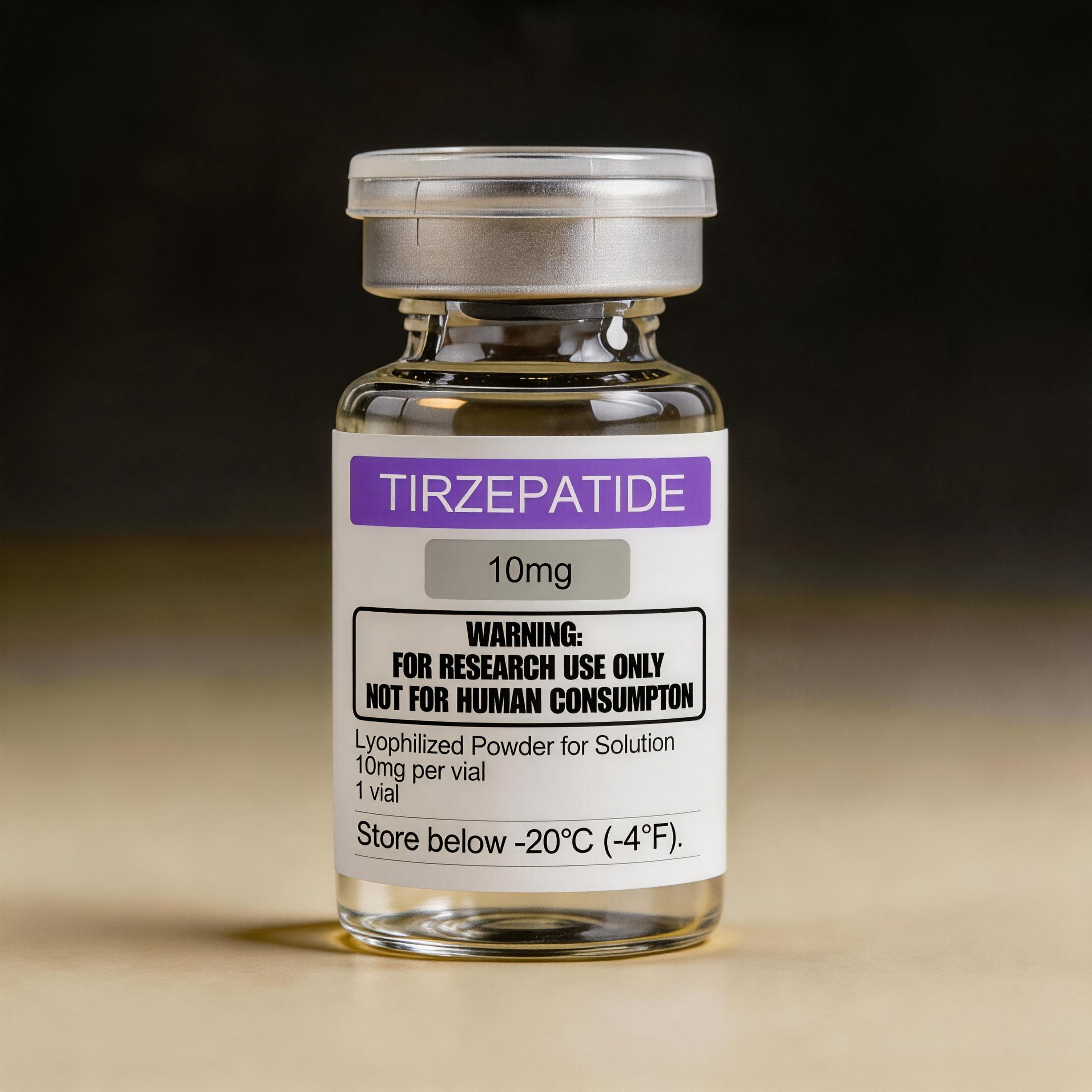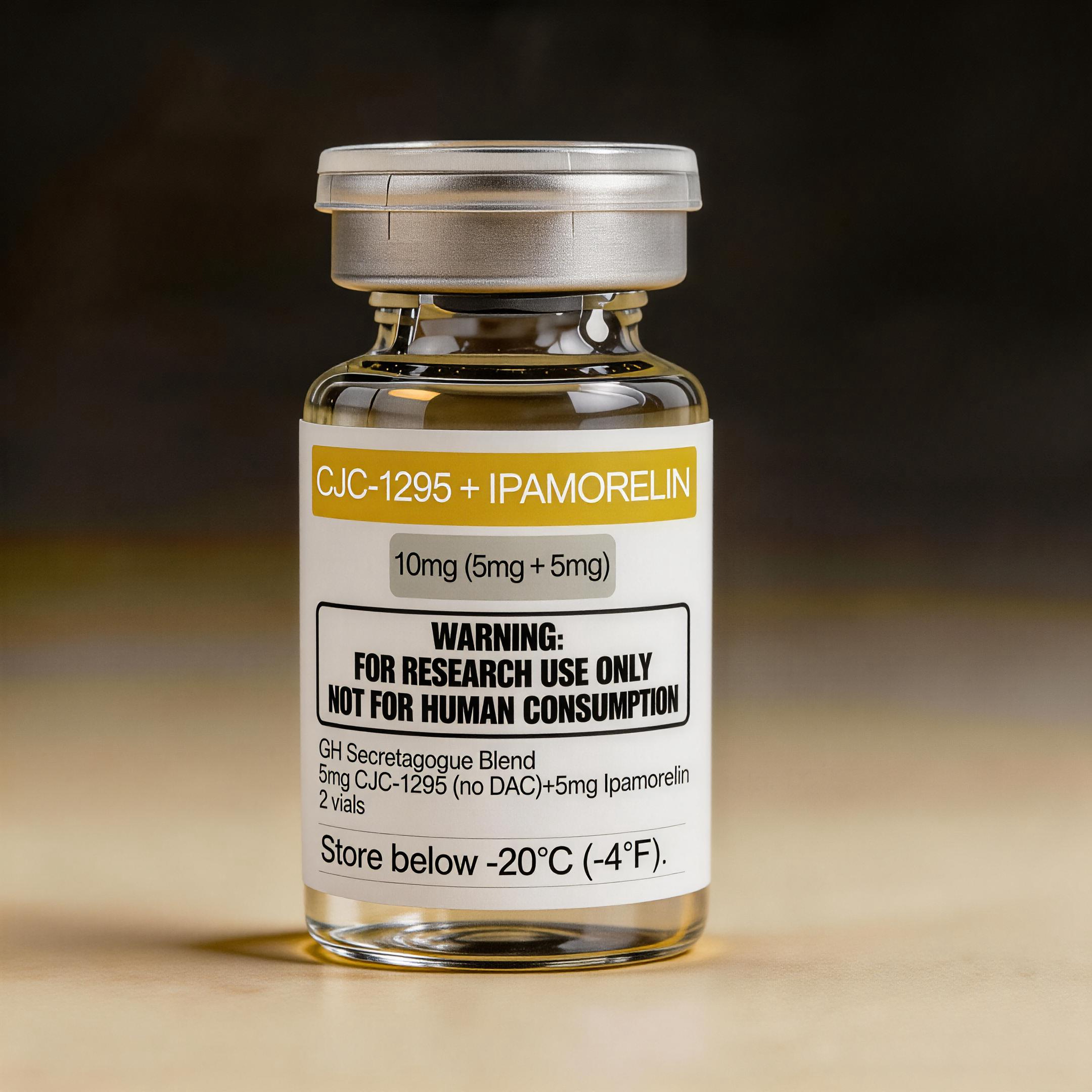
The GLP1Forum "Tirzepatide stackers" thread (6,000+ views) exposes the real tension in advanced peptide protocols: co-application amplifies results, but the margin between optimization and overload is paper-thin. Community data shows 57% of researchers achieve 1.5-2x results when adding a second compound — but 23% are forced to de-escalate due to compounding secondary observations. The difference between those two groups is not luck. It is sequencing.
The Triangulation Principle
Never launch two new compounds simultaneously. The protocol is sequential for a reason: if you start Tirzepatide and CJC/Ipamorelin on the same day, you will never know which compound produced which effect — or which secondary observation.
- Establish the base compound first. Tirzepatide or Retatrutide solo for a minimum of 4 weeks. Document the response curve. This is your control data.
- Add one compound at a time, with a ≥3-week observation window. This is the minimum wash-in period for most peptides to reach steady-state effect. Any shorter and you cannot isolate causality.
- Define a quantifiable goal for each addition. "Skeletal tissue preservation during cut," "accelerated adipose tissue reduction," or "improved sleep architecture." If you cannot state the goal in one sentence with a measurable outcome, do not add the compound.
The Forbidden Combination
High-concentration Retatrutide (>6 mg) + Cagrilintide (amylin agonist): Both compounds significantly delay gastric emptying through independent mechanisms. Combined, they create a gastroparesis risk profile — severe bloating, intractable GI signaling response, vomiting, and malnutrition. This combination is not additive; it is multiplicative in its GI suppression.
Ourovia recommendation: The "minimum effective combined application" principle governs all advanced protocols. Add one compound, observe for three weeks with data tracking, evaluate the cost-benefit ratio, then decide whether to continue, adjust, or drop. A combined research application of two well-chosen compounds at optimized test parameters consistently outperforms a combined protocol of four compounds at sub-optimal test parameters. More is not better — precision is.