How to Verify Peptide Suppliers With HPLC COA Data
Batch-specific COA requirements for research peptides: HPLC >=98.5%, MS confirmation, endotoxin <0.5 EU/mg. Stop trusting PDF templates -- demand third-party verification.
Strictly for Research Purposes Only · Not for Human Consumption
— Research & Protocols
Community-sourced, analytically-verified protocols — from COA interpretation to advanced stacking strategies. Every article is built from real-world peptide research data, not marketing copy.

Batch-specific COA requirements for research peptides: HPLC >=98.5%, MS confirmation, endotoxin <0.5 EU/mg. Stop trusting PDF templates -- demand third-party verification.

Your BPC-157 might test at 70% purity. Why factory COAs fail and how Janoshik, Chemtox, and MZ Biolabs blind-sample verification protects your research.

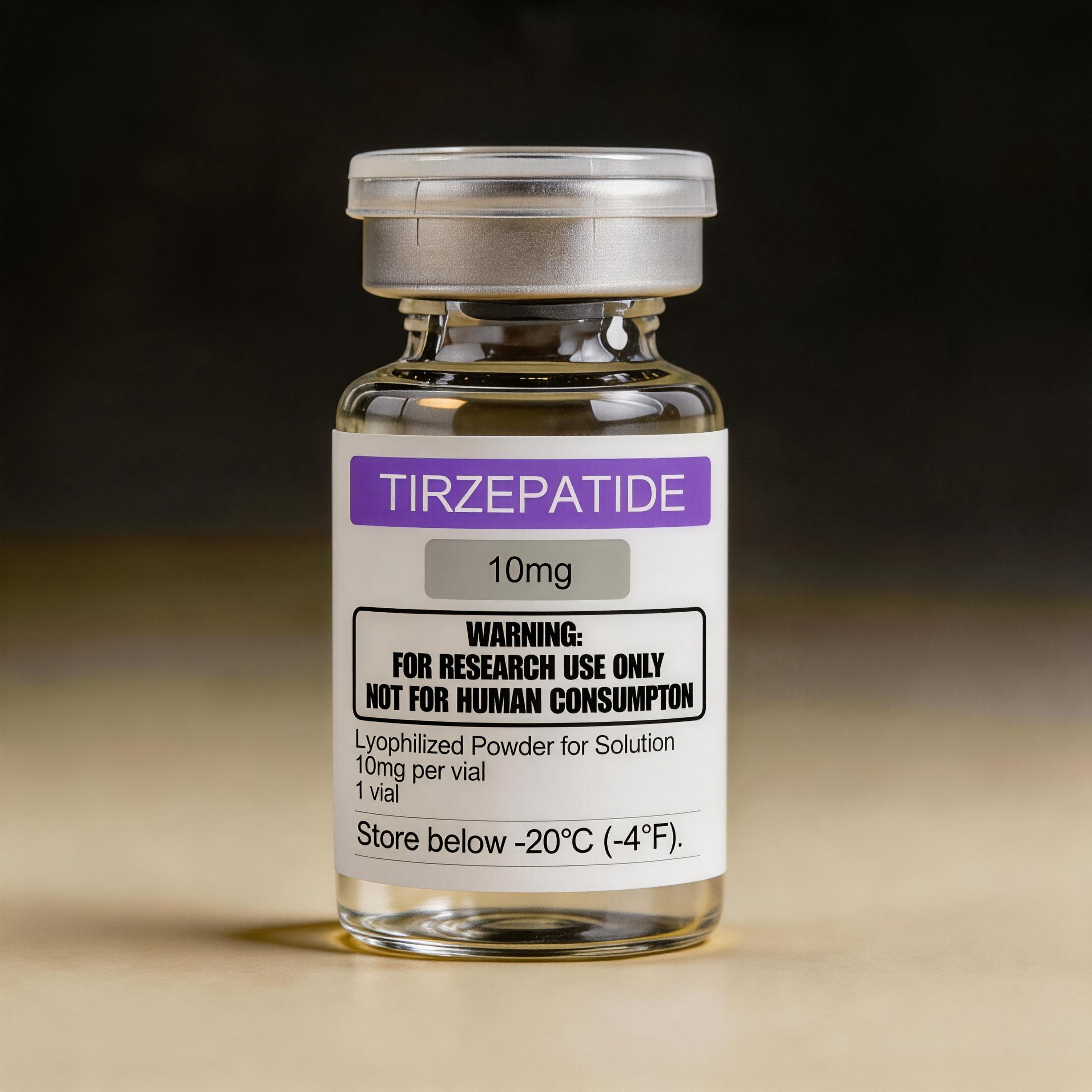
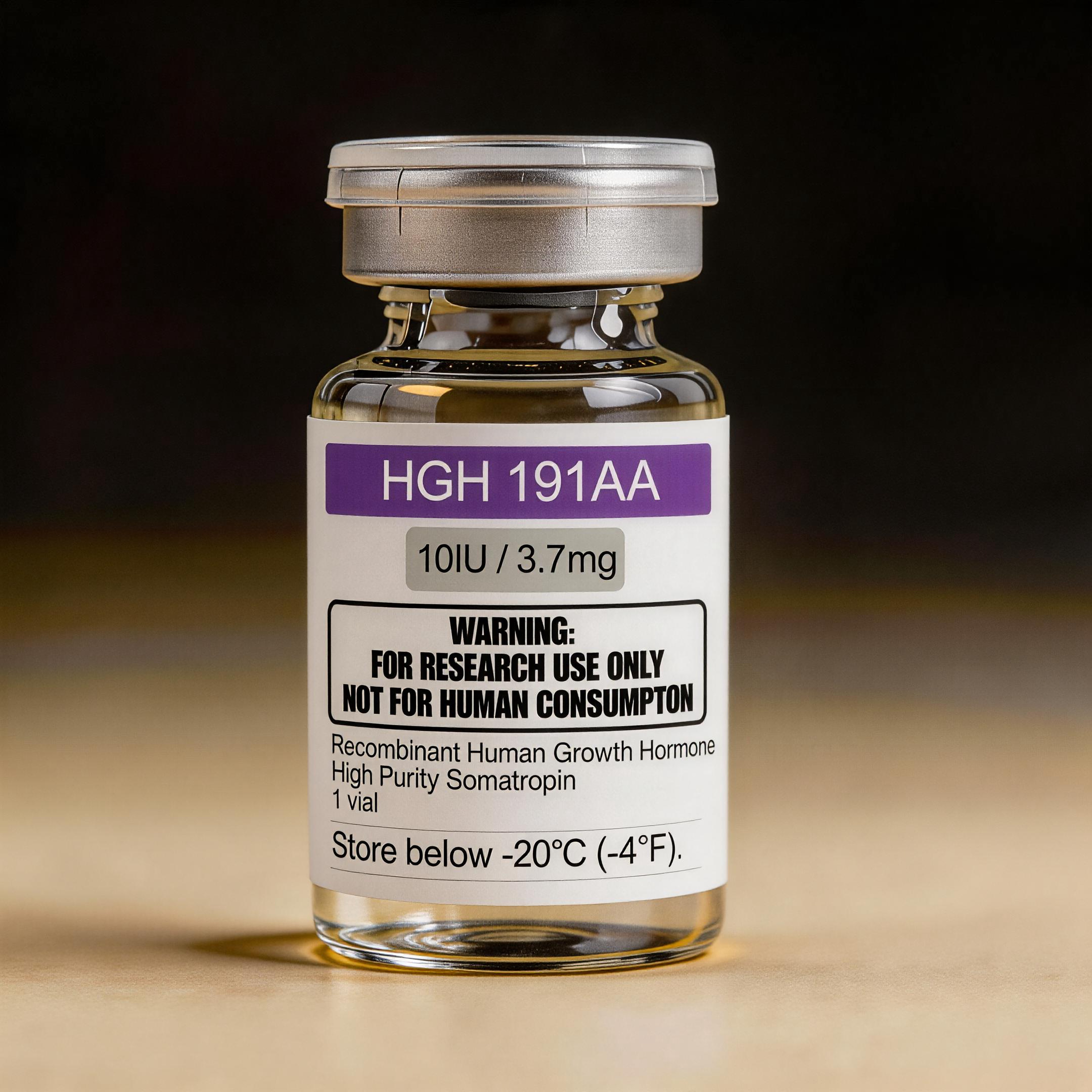
Step-by-step reconstitution protocols for Tirzepatide, BPC-157, HGH 191AA. Parameter calculators, BAC water ratios, and why HGH cannot be vortexed.

GLP-1 protocol observations decoded: why Retatrutide modulates GI transit and Tirzepatide triggers telogen effluvium. Evidence-based protocols for research models.

Your -20 C freezer is degrading your peptides. How freeze-thaw cycles, humidity, and light exposure silently destroy lyophilized compounds -- and the storage protocol that prevents it.

Breaking through a Tirzepatide or Retatrutide plateau. The 5-day vs 7-day protocol debate, when to switch compounds, and why your scale lies to you.

The local vs systemic application debate resolved: when to apply near the injury site, when to use a research model approach, and the TB-500 fibrosis risk at elevated test parameters.

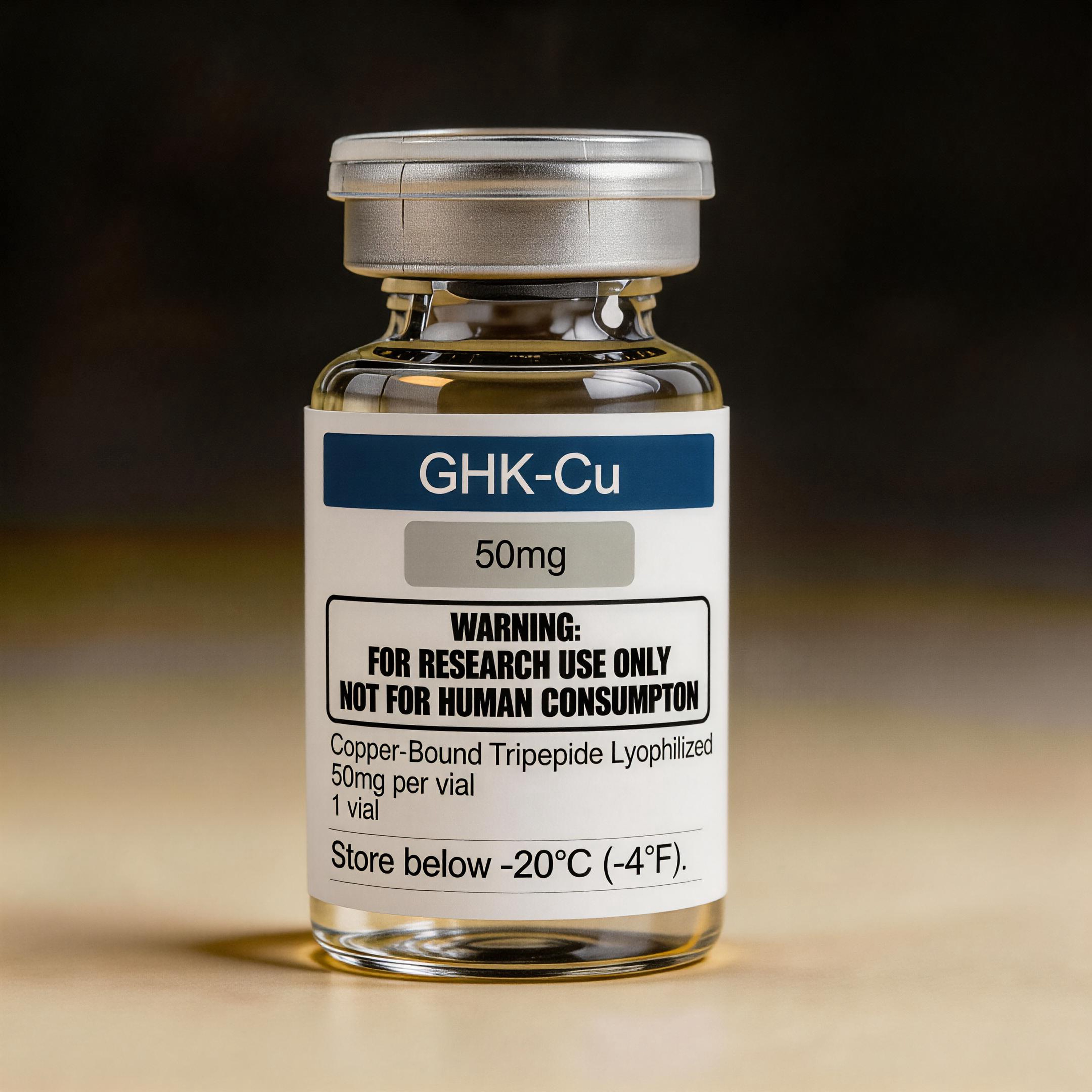
Why GHK-Cu copper peptide produces local tissue response -- TRPV1 activation, osmotic mismatch, and pH. Five tiered protocols ranked by effectiveness, from dilution to lidocaine.

The triangulation protocol for analytically validated peptide stacking. Why 57% of researchers achieve 1.5-2x results and 23% encounter compounding observations. The difference is sequencing.

Is your HGH real? Biofluid IGF-1 analysis protocol, HPLC-SEC aggregate analysis, and SDS-PAGE banding. The $50 biomarker assay that verifies authenticity.

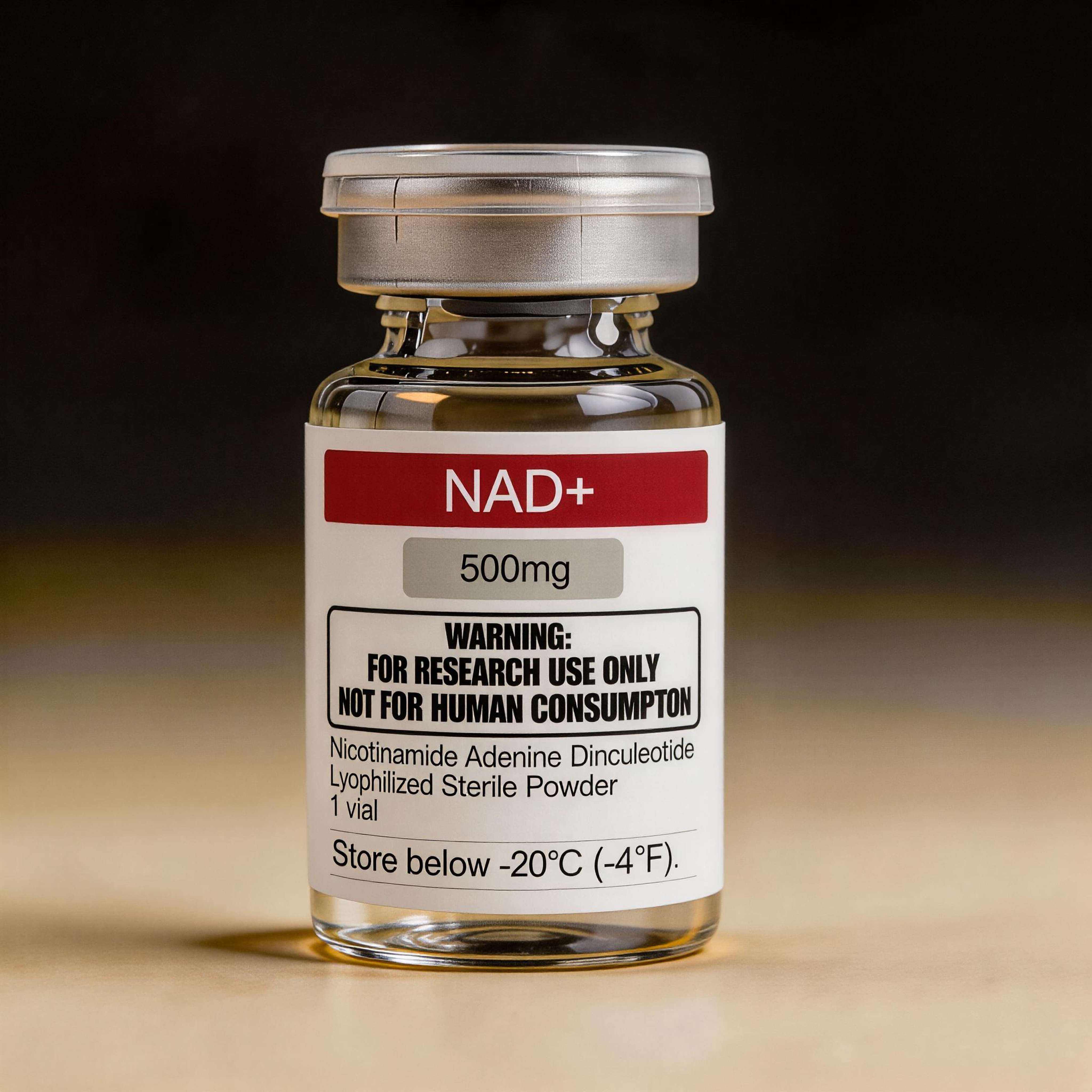
NAD+ introduction to research model produces 2-4 hours of paradoxical fatigue. The mitochondrial biochemistry behind it, why it's temporary, and the adaptation protocol that eliminates it.

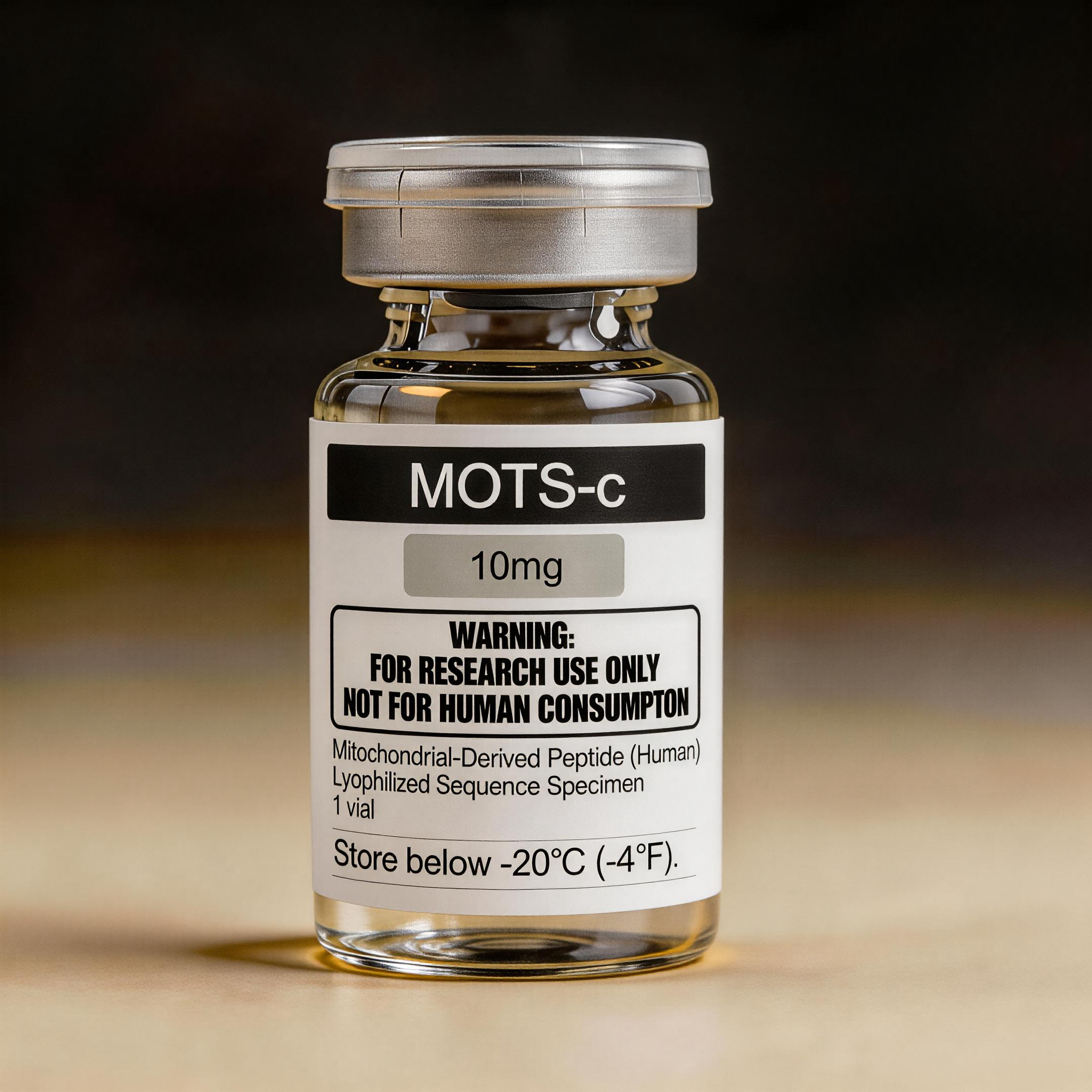
Why MOTS-c concentration-response is non-linear: 3 mg activates AMPK, but 10 mg adds NRF2 antioxidant signaling. The morning fasted protocol and the application-site sterile response risk.

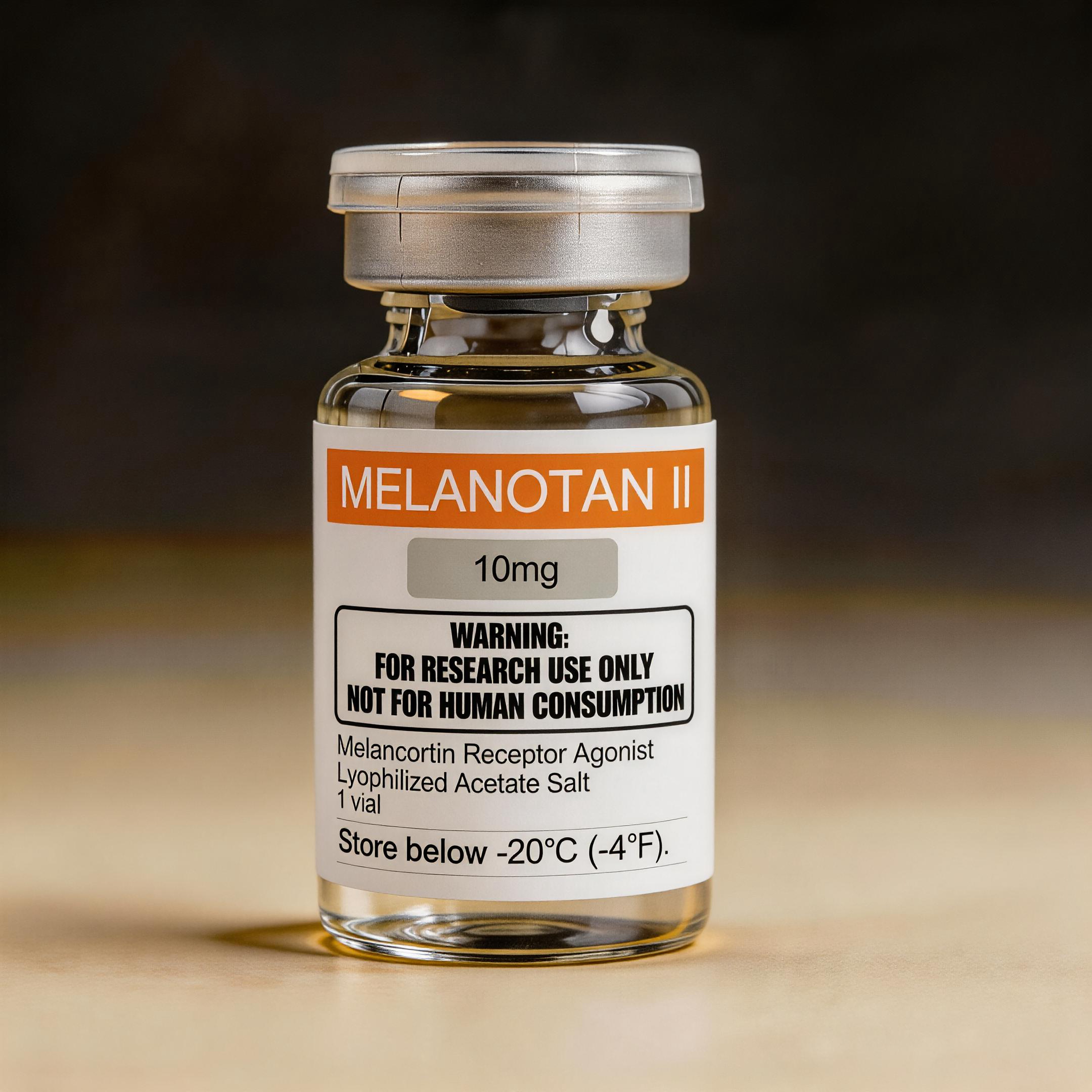
MT-2's nausea and flushing are MC4R-mediated, not allergic. The 0.25 mg sweet spot, why nasal spray is worse, and the melanoma contraindication.

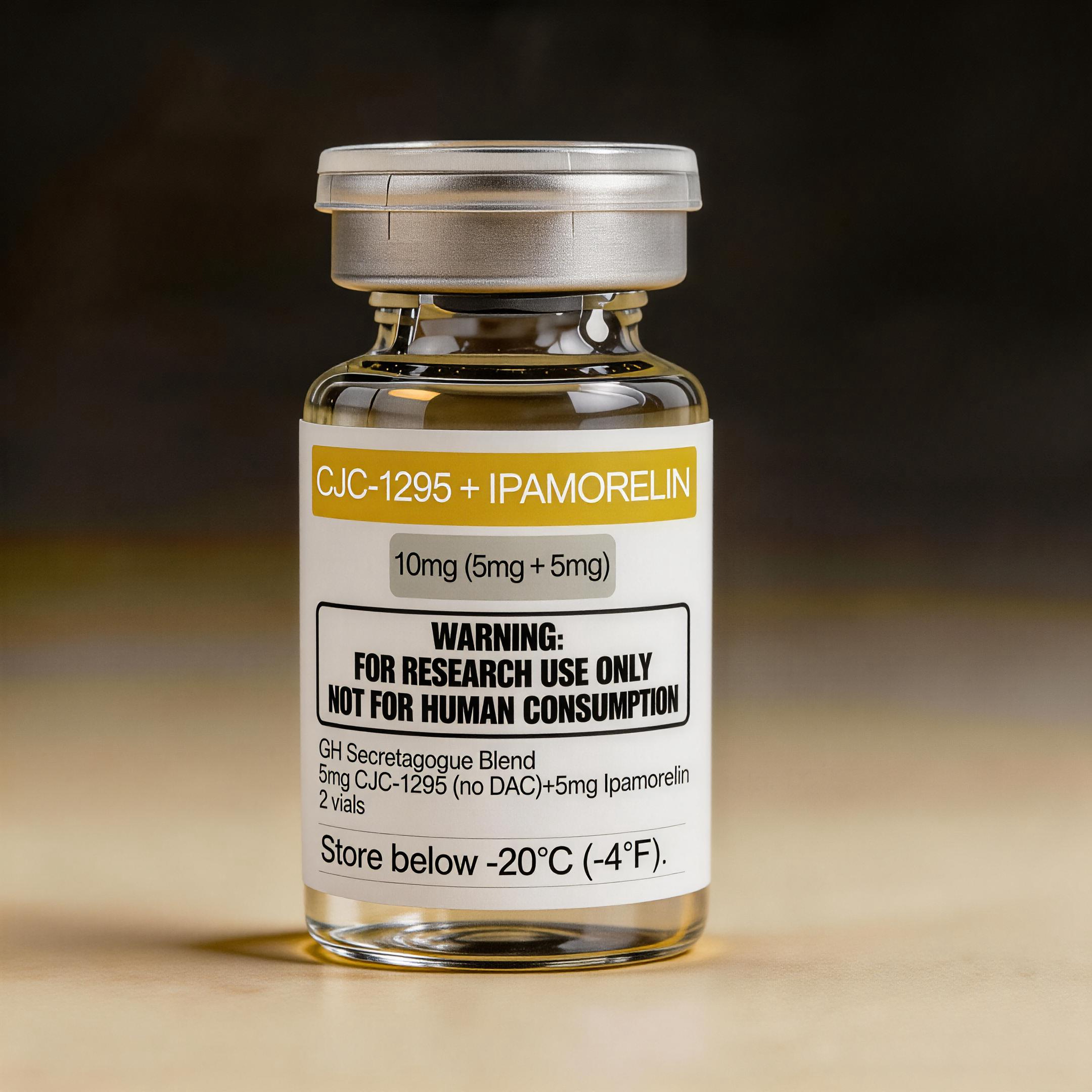
Why Ipamorelin appetite signaling is proof your GHRP is working -- not a secondary observation to fear. The bedtime application advantage, DAC vs no-DAC, and co-application with GLP-1s.
Every Ourovia research peptide ships with a batch-specific HPLC/MS COA. Browse our catalog of ultra-high purity compounds — each backed by the verification standards these protocols demand.
Browse Research PeptidesCurated studies, clinical reviews, and in-lab video analyses — so your research stays grounded in verifiable, citable evidence. All sources link to primary literature.
A walkthrough of our analytical process — from vial to certificate of analysis — featuring reverse-phase HPLC, mass spectrometry, and endotoxin LAL testing.
Peer-reviewed literature from PubMed, Nature, and MDPI.

A systematic review of 40+ preclinical studies examining how the pentadecapeptide BPC-157 modulates nitric oxide synthesis, angiogenesis, and collagen fiber realignment during tendon and ligament repair.

New analytical data exploring how selective GHS-R1a agonists trigger pulsatile GH release without cortisol or prolactin elevation — a key advantage over classical growth hormone secretagogues.

Comprehensive review of the tetrapeptide Epitalon (Ala-Glu-Asp-Gly) and its documented effects on telomerase reactivation, pineal function, and circadian regulation across 20 years of Russian clinical data.

Technical white paper detailing the molecular pathway by which TB-500 regulates G-actin monomers, promotes endothelial cell migration, and accelerates dermal wound closure in vitro.
From COA interpretation to peptide stacking protocols — our research library answers the questions that matter most in advanced peptide science.
Explore Research LibraryAll content is provided for scientific and educational reference only. Ourovia products are sold exclusively for in-vitro research.